🤝 Conflict and aggression
This topic is part of the exam material for the theory exam Taxi vakbekwaamheid theorie (TVT). Below you find the toetstermen (test terms), the rules you need to know and a few example questions.
Toetstermen (test terms) in this topic
- 8.1 Listening, thinking along, staying neutral
- 8.3 Conflicts and aggression
The rules
Listening, thinking along, staying neutral

Give attention: for example turn the radio down or off when the passenger wants to tell you something. Listen well: let the passenger finish and briefly sum up what you heard, so you prevent misunderstandings. Take the passenger seriously and think along, for example by suggesting another route and saying what that means for the time. Keep a professional and neutral attitude.
How to remember it: Picture this: you have two ears and one mouth, and in the taxi you use them in that ratio. First listen, then sum up briefly, only then offer a solution.
Please note: Neutral means: giving no opinion on controversial topics and not taking sides when passengers argue. If a passenger doubts the taximeter, give a receipt and point out that he can report it to the company, without discussion.
Source: CBR exameneisen TVT 8.1
Conflicts and aggression
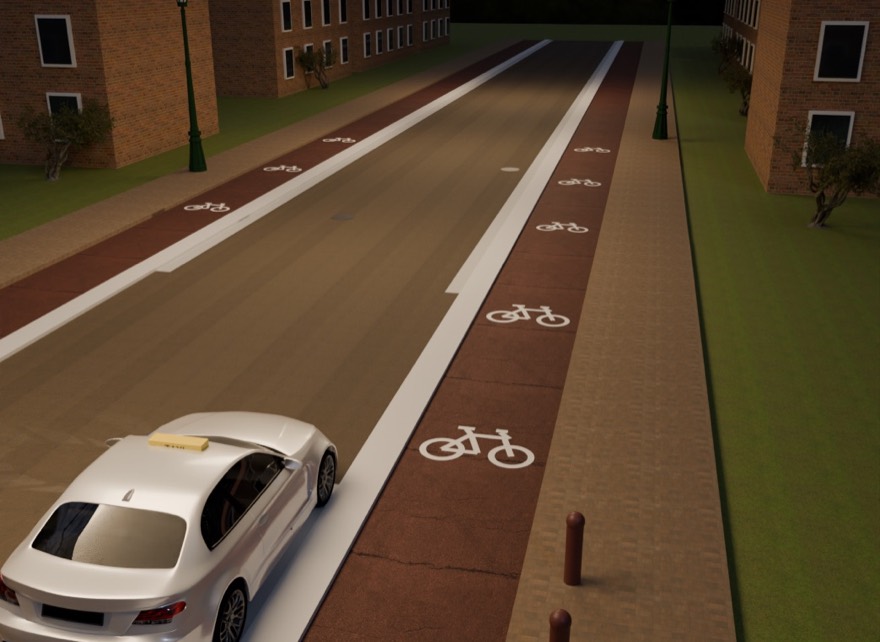
The right professional attitude and a polite, calm and well-groomed appearance prevent many conflicts. Recognise signs of aggression early: talking louder, shouting and threatening. Do not let other road users provoke you: stay calm, keep your driving safe and do not get into an argument. Assess the risk: if you feel threatened, drive to a busy, well-lit place and call for help if needed, for example via 112.
How to remember it: Picture this: an angry motorist throws a ball at you. You do not catch it and you do not throw it back; you simply let it roll past and drive on calmly.
Please note: With violence or a robbery your own safety comes first: in a robbery you stay calm, follow the orders and hand over what is demanded. Afterwards report aggression and violence to your employer; physical violence is a criminal offence, so you can also report it to the police.
Source: CBR exameneisen TVT 8.3; FNV agressie op het werk; Rijksoverheid agressie; Arboportaal agressie
Short and sharp
Do not be provoked
Someone cuts you up or a cyclist swears at you? Stay calm, keep your driving safe and do not react. You may make a gesture of sorry. Stay in the car and do not argue.
A good professional attitude prevents many conflicts: polite, calm and well groomed. You calm an angry passenger by speaking calmly, showing understanding and explaining what is happening.
Signs of aggression
Talking louder, shouting and threatening are signs that a conflict may escalate. Spot them early and stay calm.
A passenger refuses to pay and gets loud? Say calmly and clearly what is expected of him and call for help if necessary. Do not shout back and do not hold anyone against his will.
Threatened by another driver
Someone blocks your taxi and bangs on the window? Stay in the car, keep the doors closed and call 112 if needed. Your own safety and your passenger's come first.
Someone follows you and honks? Drive to a busy, well-lit place and call 112 if needed. Do not drive faster. In a quiet, dark street with a threatening passenger: also head for a well-lit, busy place and call for help there.
Violence by a passenger
A passenger hits you during the trip? Stop safely, look after your own safety and call for help, for example 112.
Afterwards you report it to your employer and make a report to the police, because physical violence is punishable. Also report aggression without blows to your employer.
Robbery
Someone threatens you and demands money? Stay calm, follow the orders, hand over what is asked and note what the robber looks like.
In a robbery your own safety matters most. You do not argue or resist: you stay calm, follow the orders and hand over what is asked.
Example questions
On the way, the taxi breaks down. The passenger has to be at an appointment in half an hour. What does the driver do?
🇳🇱 Onderweg krijgt de taxi pech. De passagier moet over een half uur bij een afspraak zijn. Wat doet de chauffeur?
- He explains what is wrong and arranges another taxi via dispatch.
- He first spends a long time trying to repair the car himself.
- He lets the passenger out and says she must call a taxi herself.
Show the answer
He explains what is wrong and arranges another taxi via dispatch.
Being solution-focused means informing the passenger and making sure she can still arrive on time. Under the General Terms, the carrier tells the passenger as soon as possible that the transport has stopped, why, and what measures he is taking.
Eindterm 8.1 (afbakening); KNV Algemene Voorwaarden art. 7 lid 7A taxi driver who is an employee was hit by a passenger during his shift. He has reported this to his employer. Can he also file a report with the police?
🇳🇱 Een taxichauffeur in loondienst is tijdens zijn dienst door een passagier geslagen. Hij heeft dit gemeld bij zijn werkgever. Kan hij daarnaast aangifte doen bij de politie?
- Yes
- No
Show the answer
Yes
After reporting to the employer, an employee can also report the matter to the police and file a criminal complaint. Physical violence is a criminal offence.
Rijksoverheid, agressie en geweld op het werk meldenA passenger asks the driver what he thinks of a controversial political topic. What is a professional and neutral reaction?
🇳🇱 Een passagier vraagt de chauffeur wat hij van een omstreden politiek onderwerp vindt. Wat is een professionele en neutrale reactie?
- He gives his opinion and wants to convince the passenger.
- He says the passenger has the wrong opinion.
- He says he prefers not to talk about that during his work.
Show the answer
He says he prefers not to talk about that during his work.
A professional driver stays neutral and does not start a discussion about opinions.
Eindterm 8.1 (afbakening)
Keep practising in the app
In TaxiTheorieHub you practise with more than 1100 questions in the question types of the exam, take full practice exams of 40 questions and read the explanation for every question. In 12 languages, with the Dutch of the exam one tap away.
Download on the App Store