🧳 Dealing with passengers
This topic is part of the exam material for the theory exam Taxi vakbekwaamheid theorie (TVT). Below you find the toetstermen (test terms), the rules you need to know and a few example questions.
Toetstermen (test terms) in this topic
- 7.1 The driver's professional attitude
- 7.2 The KNV General Terms in practice
- 7.3 Every passenger is different
- 7.4 Satisfied passengers, safe and good for business
The rules
The driver's professional attitude
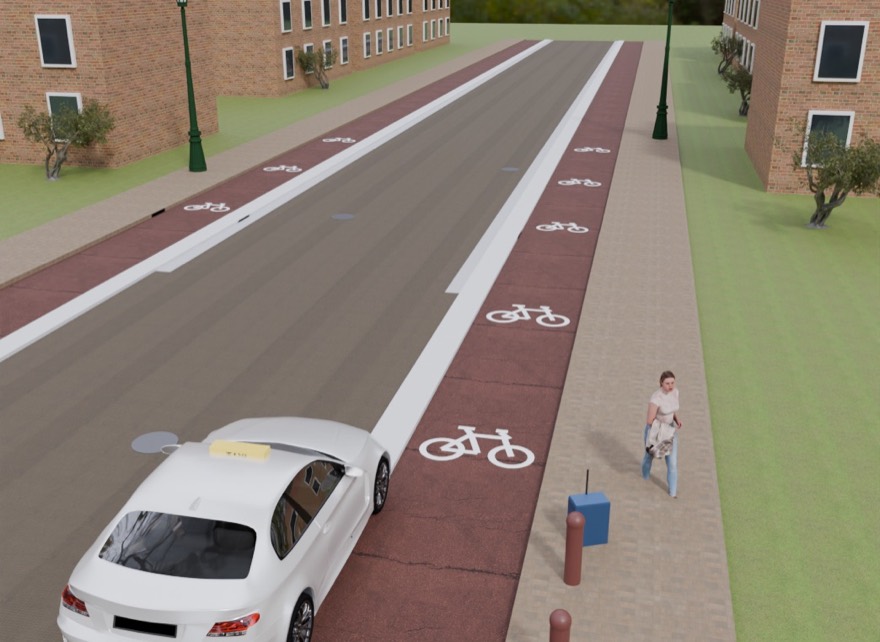
You are helpful and friendly, with patience, tact and respect, and you help with getting in and out and with luggage. You address the passenger as u, meneer or mevrouw, in clear and understandable Dutch. You look well groomed; the car is clean inside for every passenger and clean outside at the start of your shift. In contract transport you take the client's requirements and agreements into account.
How to remember it: Picture this: every passenger is a guest coming to your home. You open the door neatly dressed, the house is tidy, you help with the coat and the suitcase, and you say 'u'.
Please note: Nobody may smoke or vape in a taxi, passengers included. As an employed driver you do not smoke even when you are alone in your employer's taxi, and the ban also covers e-cigarettes, with or without nicotine.
Source: CBR exameneisen TVT 7.1; NVWA rookverbod; Rijksoverheid waar geldt een rookverbod; Tabaks- en rookwarenwet
The KNV General Terms in practice
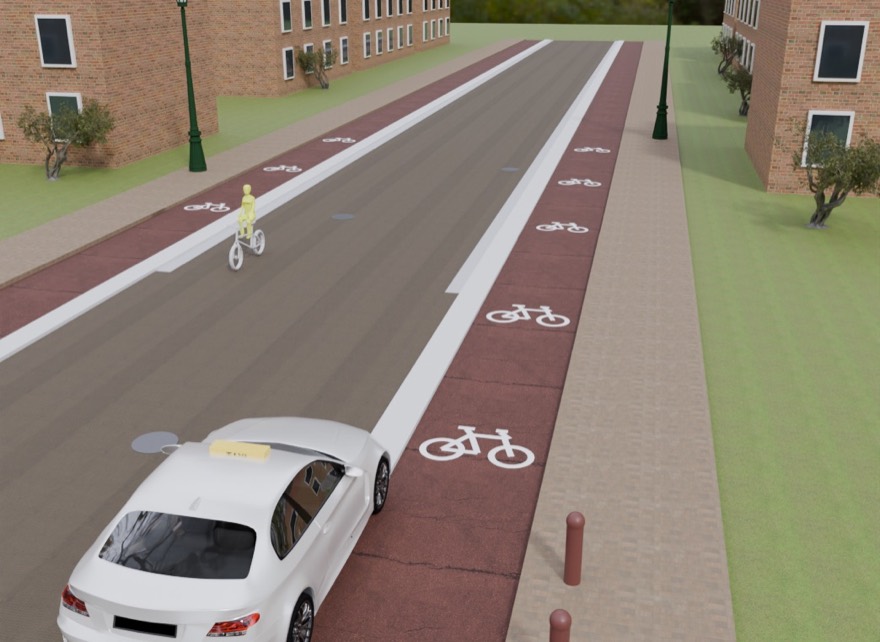
Under the KNV General Terms for Care Transport and Taxi, you accept a job at the taxi rank, even for a short ride. If the passenger only names a destination, you drive the fastest or cheapest route; if he explicitly asks for another route, you drive that one. At the end of the ride you leave the taximeter reading displayed long enough for the passenger to check it. You take an assistance dog along under all circumstances; if you are allergic, you arrange replacement transport within 15 minutes.
How to remember it: Picture this: the terms are a rulebook in your glovebox. When in doubt you open it: short ride from the rank? Drive. Assistance dog? It comes along. Another route requested? Do it.
Please note: If a passenger causes so much nuisance that you cannot reasonably be expected to carry him further, for example by threatening again and again, you may stop the ride and let him get out at a safe place. An ordinary dog that is troublesome or a nuisance may be refused, an assistance dog may not.
Source: KNV Algemene Voorwaarden Zorgvervoer en Taxi art. 3, 4, 7 en 9
Every passenger is different
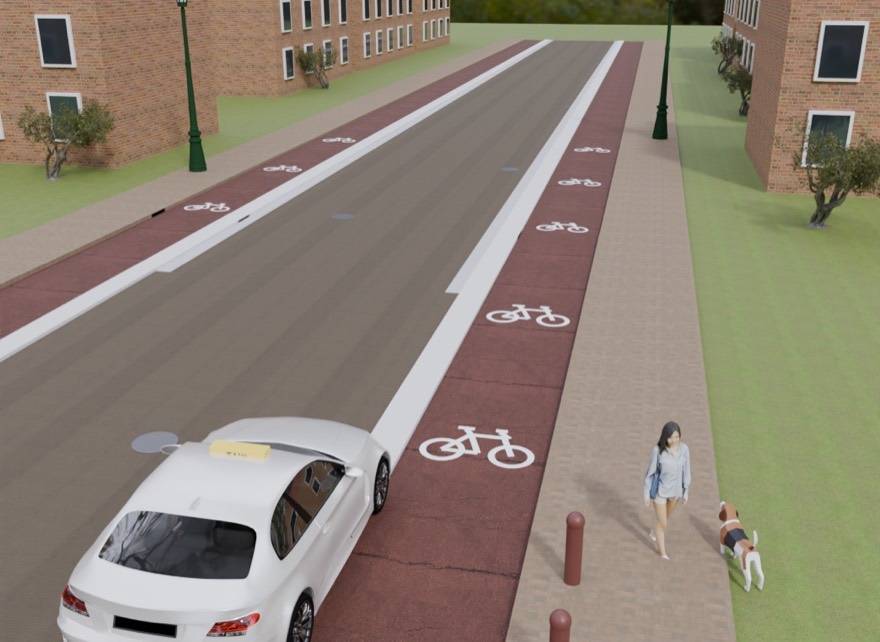
When the passenger gets in you pay attention to the right side, such as the kerb side, and you check the right address and the right passenger. You take into account the passenger's cultural background, gender, age, language, hurry, state of mind and use of alcohol, drugs or medicines. With a passenger with a disability you first ask how you can help and say what you are doing; with a passenger with an intellectual disability you talk to the passenger directly, calmly and in short sentences. You refuse nobody because of religion, gender or disability: that is prohibited discrimination.
How to remember it: Picture this: you do not carry a bunch of keys but one master key: the question 'How can I help you?'. It fits every passenger, whether he is in a hurry, sees poorly or speaks little Dutch.
Please note: A disability is not always visible: you take a passenger with an assistance dog in a vest, even if he looks healthy. In contract transport you keep to the agreements with the client, even if a pupil asks for something else.
Source: CBR exameneisen TVT 7.3; Awgb art. 7; Wgbh/cz; Rijksoverheid hulphond
Satisfied passengers, safe and good for business
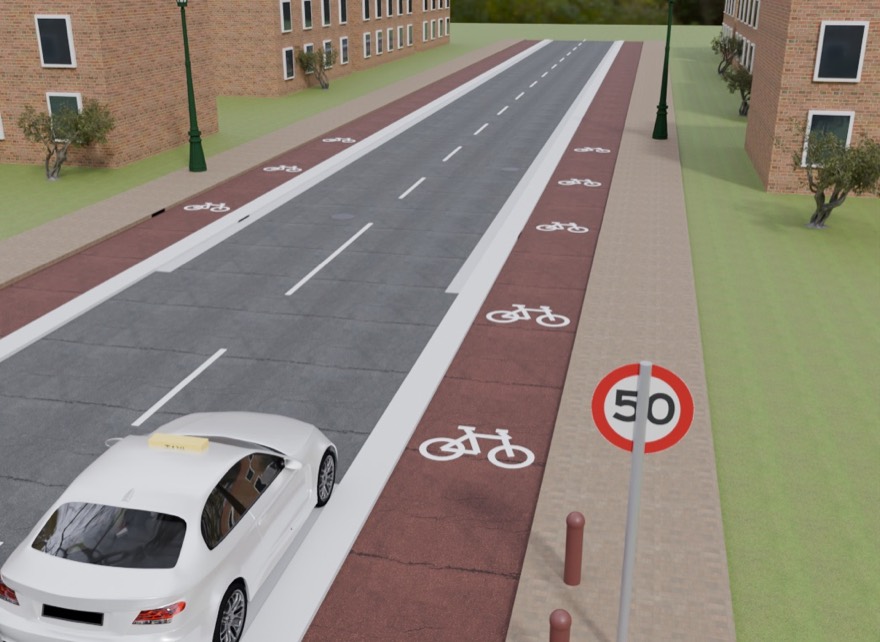
A satisfied passenger is more likely to come back to the same company, and that matters for the business. Clear information about price and time prevents misunderstandings and complaints. In contract transport, whether the contract continues partly depends on the client's satisfaction: being on time and keeping agreements helps.
How to remember it: Picture this: every ride is a seed. Driving friendly, on time and clearly makes it grow into a regular passenger or a renewed contract; always arriving late makes it wither.
Please note: Satisfaction never comes before the traffic rules and safety: if a passenger promises a good rating if you drive faster, you explain kindly that you keep to the speed limit.
Source: CBR exameneisen TVT 7.4
Short and sharp
Professional attitude and appearance
You address an unknown adult passenger politely with 'u', sir or madam. You start your shift in clean, neat clothes, well groomed, and with a clean outside of the car; inside, the car is clean for every passenger.
Rubbish on the back seat after the last passenger? Clear it first, then let the next one in. You let an older passenger get in calmly, even if someone is waiting behind you.
Smoking, drinking, seat belt
Nobody may smoke in a taxi: not you either, not even alone in the car, not even with the window open. The ban also covers e-cigarettes, with or without nicotine. A passenger who asks to smoke gets a friendly 'no'.
Drinking alcohol in the taxi is allowed only with the driver's express permission. The passenger puts the belt on before you drive off; ask kindly and explain why, even on a short trip.
Order, route and payment
Under the KNV General Terms you must accept an order at the rank, even a short trip, except in case of serious nuisance. The passenger names only a destination? Then you drive the fastest or cheapest route; if he explicitly asks for another route, you drive that.
Passenger stops halfway? He pays what the taximeter shows then. Changes destination? He pays the taximeter price. Cancels while you are already on your way? He pays reasonable compensation for provable damage. You do not have to count a huge bag of coins.
Dogs and luggage
You must take an assistance dog (guide dog, assistance dog) in all circumstances. If you are allergic and cannot carry the passenger, you arrange replacement transport within 15 minutes.
An ordinary dog on a short lead may come along; if it barks and bothers people and is not an assistance dog, you may refuse. Dangerous luggage, such as a jerrycan of petrol, you may refuse. A wallet on the back seat? Try to find the owner and report it to the company.
Discrimination: no refusal because of who someone is
You do not refuse a passenger because of religion, sex or disability. Not taking a wheelchair passenger because getting in takes time is forbidden distinction. Discrimination is treating people unequally without good reason.
A good reason to stop the trip: serious nuisance, such as continued threats. A disability is not always visible: a passenger with an assistance dog in a vest may come along, even if he looks healthy.
Passengers with a disability
First ask how you can help and say what you are doing. With a blind passenger you say who you are and where the door is; you do not just grab him. With a deaf passenger you use eye contact, gestures or writing. For a transfer from a wheelchair you ask how he wants to be helped.
With an intellectual disability you speak to the passenger himself, calmly and in short sentences, even if a carer travels along. You do not refuse because it seems difficult.
Hurry, emotions and illness
A passenger in a hurry who asks you to run a red light gets a friendly explanation that you follow the rules, and you take the fastest permitted route. A passenger feels sick? Find a safe place to stop at once and ask whether you can help.
A noisy passenger who has been drinking may come along as long as there is no serious nuisance. A passenger is sad? Drive calmly, be friendly and do not intrude. A passenger says 'drive faster for a good rating'? The traffic rules come first.
Agreements with the client
With contract transport, for example for a school or care institution, you follow the client's agreements, even if the passenger asks for something else or you are in a hurry. For example: ring the bell at the front door or hand the pupil to a staff member.
Nobody comes out? Ring as agreed and then call the dispatch centre. A satisfied passenger comes back; a driver who is often late can cost his company the contract.
Facts to remember
- Smoking is forbidden in taxis and company cars, even if the driver is alone in the car, and even with a window open. The ban also covers e-cigarettes.
- Allergic and unable to carry a passenger with an assistance dog? Arrange replacement transport within 15 minutes.
- You do not refuse a passenger because of religion, sex or disability. Serious nuisance, such as continued threats, is a reason to stop the trip.
Example questions
A blind passenger wants to get in. What does the driver do?
🇳🇱 Een blinde passagier wil instappen. Wat doet de chauffeur?
- He grabs the passenger by the arm and pulls him inside quickly.
- He says who he is, asks how he can help and says where the door is.
- He stays seated and waits until the passenger has gotten into the taxi himself.
Show the answer
He says who he is, asks how he can help and says where the door is.
First ask how you can help and say what you are doing. Pointing does not help, so say where the door is. Do not just grab someone.
Eindterm 7.3 (afbakening)During the ride a passenger wants to go to a different address from the one he gave when getting in. May the passenger change the final destination during the ride?
🇳🇱 Tijdens de rit wil een passagier naar een ander adres dan hij bij het instappen heeft opgegeven. Mag de passagier de eindbestemming tijdens de rit wijzigen?
- Yes
- No
Show the answer
Yes
The passenger may change the final destination during the ride. He does pay the fare that goes with it.
KNV Algemene Voorwaarden art. 5 lid 5When should the outside of the taxi be clean?
🇳🇱 Wanneer hoort de buitenkant van de taxi schoon te zijn?
- When a passenger complains about it.
- After a long ride.
- At the start of the shift.
Show the answer
At the start of the shift.
The driver starts the shift with a clean outside of the car.
Eindterm 7.1 (afbakening)
Keep practising in the app
In TaxiTheorieHub you practise with more than 1100 questions in the question types of the exam, take full practice exams of 40 questions and read the explanation for every question. In 12 languages, with the Dutch of the exam one tap away.
Download on the App Store