🚕 Safe, professional driving
This topic is part of the exam material for the theory exam Taxi vakbekwaamheid theorie (TVT). Below you find the toetstermen (test terms), the rules you need to know and a few example questions.
Toetstermen (test terms) in this topic
- 4.1 Fit and clear-headed at the wheel
- 4.2 Expect other people's mistakes
- 4.3 Economical driving, less wear
- 4.4 Comfortable driving is professional
The rules
Fit and clear-headed at the wheel
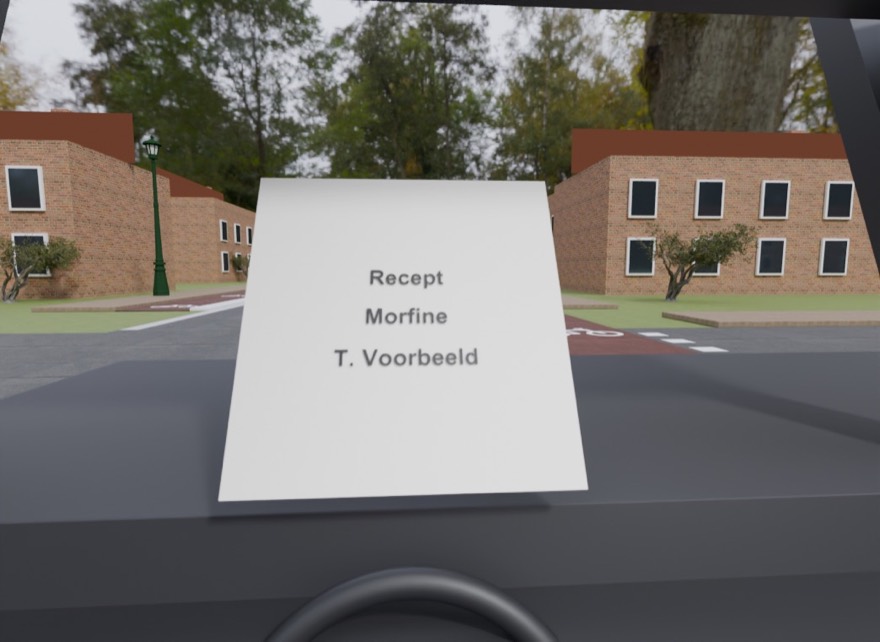
Alcohol, drugs, medicines, distraction, illness, fatigue, irritation, stress and haste are risks to road safety. The chance of an accident already rises after one glass of alcohol; after drugs and alcohol together you may not drive. With driving advice category I you only drive without drowsiness, sleepiness, dizziness or poor vision; with category II you do not drive for the first days or weeks. If you are ill or very tired, do not drive or stop at a safe place; even if a passenger is in a hurry, you keep to the rules.
How to remember it: Picture this: before every shift you look in a mirror with four questions on it: Drunk or used anything? Medicine with driving advice? Ill or tired? Rushed or angry? One 'yes' means: sort it out first, then drive.
Please note: The legal limits also apply to medicinal drugs, such as morphine on prescription. You quickly go over them, so there is a good chance you may not drive. If your phone rings without hands-free, do not hold it while driving; call back after you have stopped at a safe place.
Source: CBR exameneisen TVT 4.1; CBR alcohol; Rijksoverheid drugs in het verkeer; CBR medicijnen en medicinale drugs; RVV 1990 art. 61a
Expect other people's mistakes
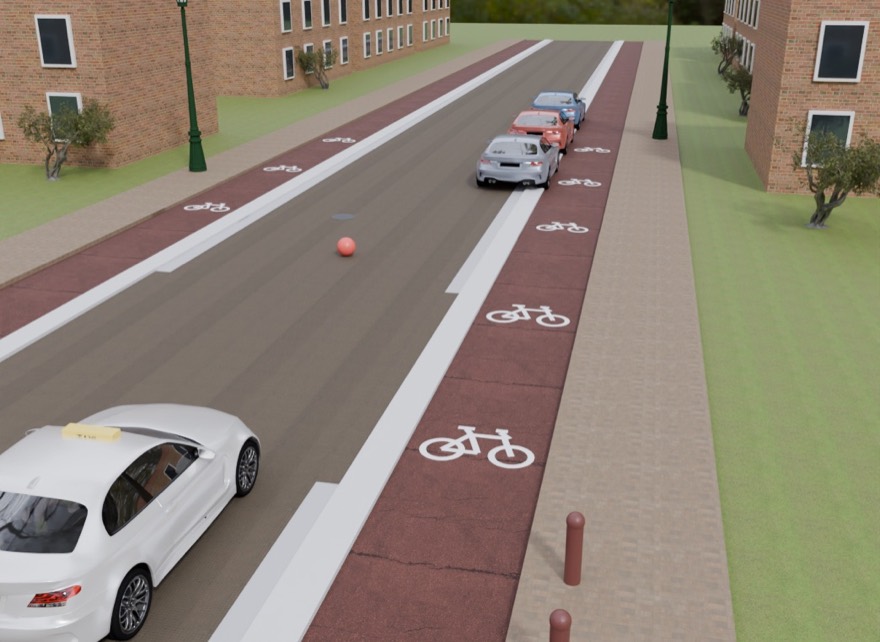
Other road users may break rules, be under the influence, distracted, ill, tired or stressed, or overestimate themselves, like novice drivers. Vulnerable road users are pedestrians, disabled people, older people, children, cyclists, light-moped riders (snorfiets) and moped riders (bromfiets). You give way to pedestrians on a crossing and to blind people with a white cane, and when you turn you give way to traffic on the same road that is coming towards you or is beside or close behind you, such as a cyclist beside you. Your best measure is almost always: keep your distance, ease off the accelerator and be ready to brake.
How to remember it: Picture this: a ball rolls into the street. A child often comes after a ball. When you see the ball, you are already braking for the child you cannot see yet.
Please note: Even when someone else breaks the rules, for example a cyclist running a red light, you prevent the collision: safety comes before being right. You do not correct another driver yourself.
Source: CBR exameneisen TVT 4.2; RVV 1990 art. 18 en 49
Economical driving, less wear
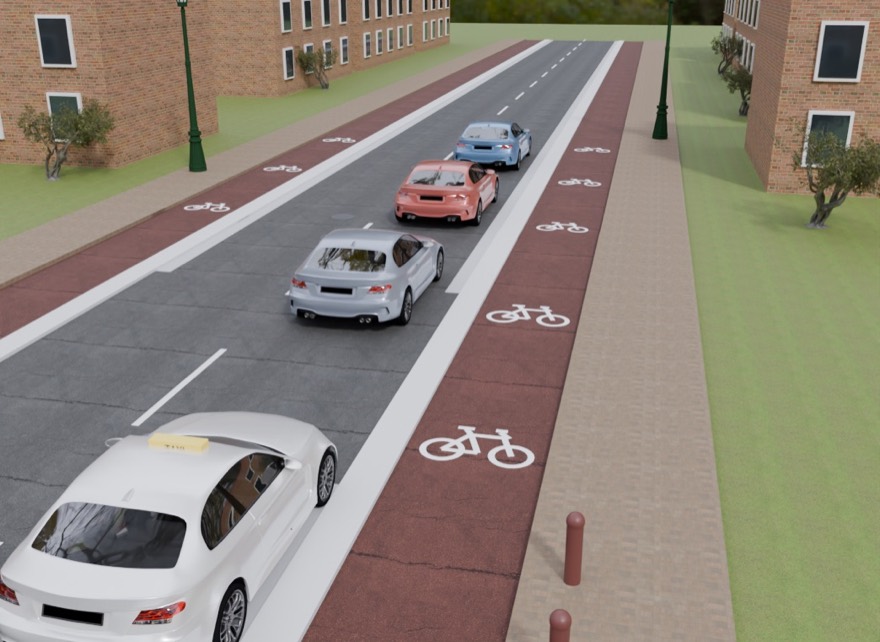
Pulling away calmly saves fuel and at the same time maintenance and wear. Look far ahead and release the accelerator in good time, so you need to brake and accelerate less abruptly. Tyre pressure that is too low gives up to 5% higher fuel consumption, and a cold engine uses twice as much fuel as a properly warmed-up one. You drive most economically between 60 and 90 km per hour; at 100 instead of 130 km per hour you save 15 to 25% fuel.
How to remember it: Picture this: a full glass of water stands on your dashboard. Drive so that not a drop spills: pull away calmly, release the accelerator early, brake gently. Then you save fuel and your car lasts longer.
Please note: Economical driving brings more than just less fuel: according to Het Nieuwe Rijden also more road safety, less accident damage, more comfort and less maintenance. In a long queue at traffic lights or a level crossing you switch the engine off.
Source: Het Nieuwe Rijden (rijtips, over HNR); Milieu Centraal zuinig rijden; CBR exameneisen TVT 4.3
Comfortable driving is professional
A calm, smooth driving style is comfortable and safe, and gives a professional image of the taxi industry. If you look ahead in traffic, you need to brake less abruptly; that is pleasant for the passengers and more economical. Cruise control makes driving calmer and more comfortable, but you keep paying attention yourself.
How to remember it: Picture this: your passenger is trying to drink a cup of tea in the back. With every jerk of the wheel or hard braking, tea spills on his trousers. Drive so that he can calmly finish his cup.
Please note: Does a passenger ask you to drive faster? On short rides, up to an hour, driving fast gains very little time, and calm driving is more comfortable and causes less stress.
Source: CBR exameneisen TVT 4.4; Het Nieuwe Rijden rijtips; Milieu Centraal zuinig rijden
Short and sharp
Alcohol and drugs
The risk of an accident already rises after one glass of alcohol: it is safest to start your shift without alcohol. If you have used drugs together with alcohol, or different drugs, you may not drive, not even after a small amount.
Stimulants (XTC, cocaine, speed) cause overestimation and more risk. Sedatives (weed, hash) make you concentrate worse and react more slowly. Two different questions, two different answers.
Medicines
With a medicine with driving advice category I you may only drive without drowsiness, sleepiness, dizziness or poor vision. With category II you may not drive in the first days or weeks. In doubt? Ask your doctor or pharmacist.
A doctor's prescription does not make a medicinal drug allowed: the legal limit in your blood also applies to morphine. A colleague cannot judge whether you may drive.
Fit and calm at the wheel
High fever, dizzy, or nearly falling asleep? Then you do not drive: report sick or stop at a safe place and rest. Irritated by another driver? Stay calm and keep plenty of distance.
Hurry, yours or the passenger's, is a risk, not a reason to drive faster. Report your delay to the dispatch centre. Loud music does not cure sleepiness.
Phone, tablet and navigation
While driving you do not hold a phone, tablet or media player. Phone rings without hands-free? Call back when you are safely stopped. You use navigation in a holder or by voice, and set the route before departure.
Hands-free is allowed, but you remain responsible for safe driving: keep the call short. You do not take private calls with a passenger in the car. You enter a new address only after stopping at a safe place.
Anticipate others' behaviour
Near children, a ball in the road, elderly or blind people at a crossing, you drive slowly and let them cross at their own pace. When turning, you give way to traffic going straight on, including cyclists beside you.
The right reaction is almost always: distance, less throttle, ready to brake. You do not correct someone else yourself, even if they break the rules. Safety comes before being proved right.
Economical driving: the numbers
Too low tyre pressure costs up to 5% more fuel. A cold engine uses twice as much as a warm one. You are most economical between 60 and 90 km/h; 100 instead of 130 km/h saves 15 to 25%.
Let go of the throttle early for a red light, accelerate gently, look far ahead and switch the engine off at a long stop. Air-con only when needed, and remove unnecessary items from the boot.
Calm driving is professional
A calm, smooth driving style is safe, comfortable and gives a good image of the industry. Looking ahead means less abrupt braking, which passengers appreciate.
Passenger asks you to drive faster? Explain that on trips up to an hour it saves almost no time. Cruise control is calmer and more economical, but you keep paying attention. With a hybrid you brake early and gently to charge the battery.
Facts to remember
- Driving advice category I: drive only without drowsiness, sleepiness, dizziness or poor vision. Category II: do not drive in the first days or weeks.
- Cold engine: twice the fuel. Low tyre pressure: up to 5% more. Most economical speed: 60 to 90 km/h; 100 instead of 130 saves 15 to 25%.
- While driving you do not hold a phone, tablet or media player. Phone hands-free or stop safely first; set the navigation before departure.
Example questions
A taxi driver drives a hybrid car. How does he brake most economically?
🇳🇱 Een taxichauffeur rijdt in een hybride auto. Hoe remt hij het zuinigst?
- Late and hard, so that the brakes are used properly.
- Early and gently, so that braking energy is recovered.
- With the engine on, so that the battery does not run empty.
Show the answer
Early and gently, so that braking energy is recovered.
In a hybrid, gentle braking charges the battery through the electric motor. Hard braking wastes energy.
Het Nieuwe Rijden: hybrideA taxi driver takes bends fast and keeps braking late and hard. His passengers do arrive on time. Is this driving style good for the image people have of the taxi sector?
🇳🇱 Een taxichauffeur rijdt hard door bochten en remt steeds laat en fel. Zijn passagiers komen wel op tijd aan. Is deze rijstijl goed voor het beeld dat mensen van de taxibranche hebben?
- Yes
- No
Show the answer
No
Comfortable and safe driving is part of the passengers' comfort and of a good image of the sector. A restless driving style is not comfortable and gives a bad image, even when the ride is on time.
CBR exameneisen TVT, toetsterm 4.4What does a sedative such as weed or hash do to a driver?
🇳🇱 Wat doet een verdovend middel zoals wiet of hasj met een bestuurder?
- The driver overestimates himself and takes more risk.
- The driver reacts faster, but pays less attention.
- The driver concentrates worse and reacts more slowly.
Show the answer
The driver concentrates worse and reacts more slowly.
Sedatives make a driver less alert. Overestimation belongs to stimulants.
CBR: Rijden onder invloed van drugs
Keep practising in the app
In TaxiTheorieHub you practise with more than 1100 questions in the question types of the exam, take full practice exams of 40 questions and read the explanation for every question. In 12 languages, with the Dutch of the exam one tap away.
Download on the App Store