💬 Communication
This topic is part of the exam material for the theory exam Taxi vakbekwaamheid theorie (TVT). Below you find the toetstermen (test terms), the rules you need to know and a few example questions.
Toetstermen (test terms) in this topic
- 6.1 Say it in time and clearly
- 6.2 The phone in the taxi
The rules
Say it in time and clearly
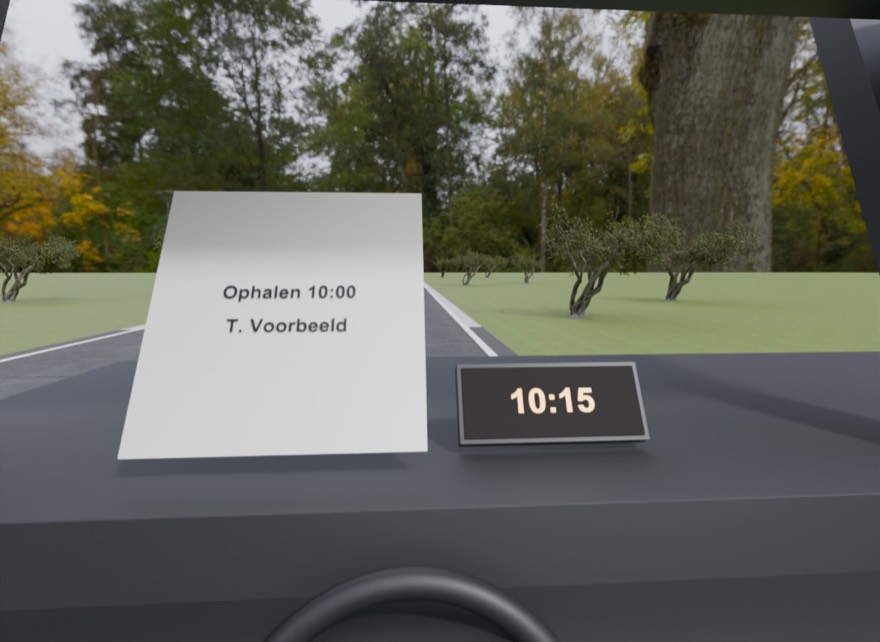
Inform the passenger correctly about costs and time, for example about a traffic jam or a detour. Inform the company as soon as you know you will be late or cannot make a ride, so that planning and replacement transport can be arranged. Poor communication leads to dissatisfied passengers and complaints. Speak in short sentences and ordinary words, Dutch at B1 level, and do not get into a discussion with the passenger.
How to remember it: Picture this: you are the weather forecast for the ride. 'There is a jam. I am taking a detour. It will take five minutes longer.' Short, honest and in time, so the passenger knows where he stands.
Please note: If a passenger finds the fare too high and gets angry, calmly explain once how the fare was set and point out the option to complain, instead of arguing.
Source: CBR exameneisen TVT 6.1
The phone in the taxi
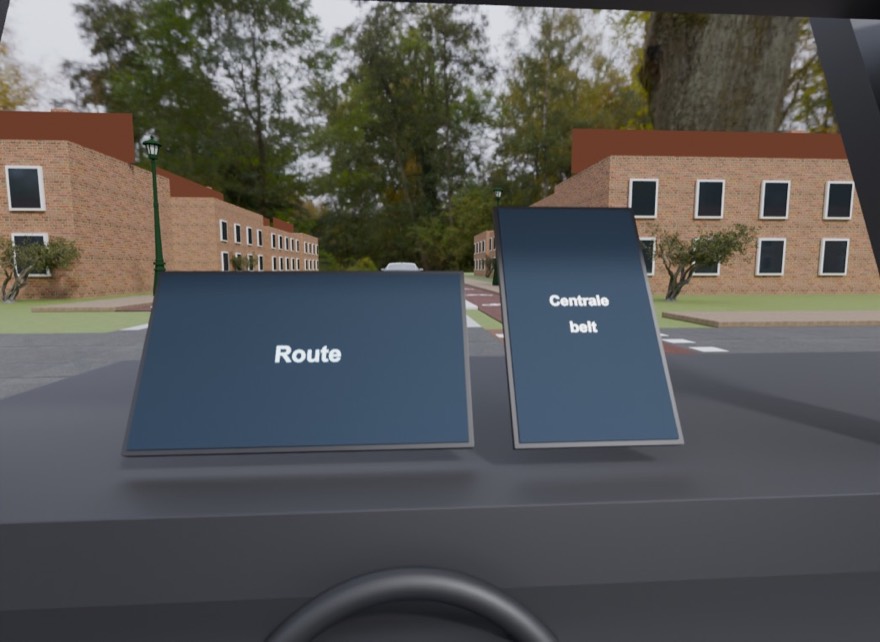
During work you use the phone for business only, for example to contact the control centre about a ride. While driving you do not hold a phone, tablet or media player; hands-free calling is possible if you set it up before driving. You give business information briefly and clearly: where you are, what is happening and what the consequence is. Use proper language and keep in mind that the passenger is listening.
How to remember it: Picture this: in the taxi your phone wears a work jacket. It only talks about rides, in three short sentences, politely, and it knows someone in the back may be listening.
Please note: Hands-free is allowed, but you remain responsible for driving safely: keep the call short. You do not take a private call when there is a passenger in the taxi.
Source: CBR exameneisen TVT 6.2; RVV 1990 art. 61a; VVN regels afleiding
Short and sharp
Delay: say so straight away
Can you see you will be late, miss a trip or the traffic is stuck? Tell the passenger honestly the reason, what you are doing and how long it will take. Tell the dispatch centre as early as possible.
Staying silent or blaming the passenger is poor communication and leads to arguments or a complaint. The right choice gives information, so the passenger can decide for himself.
Clear language
Use short sentences and everyday words: 'The road is closed. I am going round. It takes five minutes longer.' That way the passenger understands what is happening and how much time it takes.
Does a passenger question your route? Explain briefly why and ask whether he wants another route. That prevents arguments.
Explaining the price and taximeter
Passenger asks what the trip costs? Say that the taximeter sets the price and give an honest estimate. Thinks the price is too high? Explain calmly once how the price was set and point to the way to complain.
After the trip you leave the taximeter reading visible so the passenger can check, and you offer a trip receipt. You do not argue with an angry passenger.
Phoning the dispatch centre
While driving you answer only hands-free and keep it short and clear: where you are, what is happening and what the result is. For example: 'I am in a queue on the A2 and will be 10 minutes late at the station.'
The passenger can hear. Speak in a businesslike and polite way about him, without swearing or slang. You do not take a private call with a passenger in the car.
Listening and thinking along
Passenger wants to tell you something? Turn the radio down or off, let him finish and briefly sum up what you heard. He says it is cold? Ask what he prefers and adjust the heating.
When he is in a hurry or the road is jammed, you think along and propose another route, with what it means for the time. If he doubts the taximeter: listen seriously, give a trip receipt and point to reporting it to the company.
Staying neutral
A passenger asks what you think about a controversial subject? Say you would rather not discuss it at work. Two passengers argue about who pays? Take no side and help them make an agreement together.
Neutral means not pushing an opinion and not starting a discussion. The aim of listening is to understand what the passenger wants or needs, and to avoid misunderstandings.
Example questions
A passenger has three heavy suitcases. The driver wants to charge a supplement for lifting them. When does he agree this with the passenger?
🇳🇱 Een passagier heeft drie zware koffers. De chauffeur wil een toeslag rekenen voor het tillen. Wanneer spreekt hij dit met de passagier af?
- After the trip, when he states the total amount
- Before the trip starts, when he sees the suitcases
- During the trip, once the suitcases are in the car
Show the answer
Before the trip starts, when he sees the suitcases
Extra costs, such as for carrying suitcases, must be clearly agreed with the passenger in advance. Then the passenger knows where he stands.
ILT, Taxitarieven; Rijksoverheid, TaxitarievenA taxi driver is called by the dispatch centre while driving. He switches on the loudspeaker and holds the phone in his hand, not to his ear. Is that allowed?
🇳🇱 Een taxichauffeur wordt tijdens het rijden gebeld door de centrale. Hij zet de luidspreker aan en houdt de telefoon in zijn hand, niet aan zijn oor. Mag dat?
- Yes
- No
Show the answer
No
It is forbidden to hold a mobile phone while driving. It makes no difference whether the phone is held to the ear or not.
RVV 1990 art. 61aThe driver has stopped in front of a passenger's house. He phones the passenger. Which message is short and clear?
🇳🇱 De chauffeur staat stil voor het huis van een passagier. Hij belt de passagier op. Welke boodschap is kort en helder?
- "Good afternoon, I had some trouble getting here, because..."
- "Hello, it's me. Just come outside."
- "Good afternoon, this is the taxi. I am outside your door at number 12."
Show the answer
"Good afternoon, this is the taxi. I am outside your door at number 12."
A short and clear message says who is calling and what the passenger needs to know. "It's me" tells the passenger nothing, and a long story is not needed.
CBR exameneisen TVT, toetsterm 6.2
Keep practising in the app
In TaxiTheorieHub you practise with more than 1100 questions in the question types of the exam, take full practice exams of 40 questions and read the explanation for every question. In 12 languages, with the Dutch of the exam one tap away.
Download on the App Store